

Health Check
A two-hour review across ten areas. You receive a scorecard and your three highest risks.
Discuss a Health Check
Confiance Private Office runs the work of a family's wealth and affairs. Independent, and overseeing all of it.
Clients stay because their Confiance team knows the whole picture, and oversees all of it.
Money, property, entities, advisers and paperwork sit with your Confiance team, not across ten firms.
No money managed. No product sold. No commissions.
Less of what you don't. The admin, the chasing and the paperwork are handled, so your time goes where you want it. Readiness for the next generation follows.
Your lawyers, accountants and managers stay. We brief them, run the meetings and follow up, so they work as one team.
Financial capital serves to grow the other five.
Each capital is scored, so the family sees where it is strong and where it needs attention.
The Private Office is organised into areas of work, each serving one or more capitals. Built as far as you want it to go.
Total wealth picture
One consolidated view of every entity, listed and unlisted, with current valuations, costs and total return.
Read more about total wealth picture in the Private OfficeEach is a first piece of work in its own right. Each can lead into the Private Office.
Whether Confiance fits. No charge.
Everything mapped across the six capitals. Free.
See the standard before committing.
Within five business days, scoped and priced.
Reporting, an annual review, a senior adviser on call.
Confidential, and at no charge. By appointment.
Confiance runs the work. The family keeps every decision.
Each Private Office looks after the six capitals of a family's wealth, as far as the family wants it to go.
Financial capital serves to grow the other five. Each area of work is tagged with the capitals it serves, and every decision stays yours.
One consolidated view of every entity, listed and unlisted, with current valuations. It shows the total cost of wealth and the total return.
Example: consolidated reporting across four family entities and several platforms.
Spending, budgets, insurance, bills, staff, and whatever else the family wants taken off its plate.
Example: a 12-month analysis of a family's spending, followed by an ongoing retainer.
Managers, banks, lawyers, accountants, valuers and insurers appointed, briefed, reviewed and coordinated. An annual Total Cost of Wealth report.
Example: one investment framework applied across two external managers.
Strategy, leasing, rent reviews, valuations, capital works and developments, drawing on deep experience running property and hotel funds.
Example: a lease restructure and capital works review with a national tenant.
Board and shareholder representation, management reporting, leases and major contracts, and how the business fits the family's wider wealth.
Example: oversight of a family-owned operating business.
Capitals assessment (the Family Balance Sheet), family charter and investment policy statement. Trusts, wills and estate plans kept aligned with the lawyers.
Age-appropriate education, so children understand money and that wealth is broader than finance. Each member prepared for responsibility.
A senior sounding board, and independent second opinions on proposals from banks, managers and advisers.
Your advisers stay. Confiance briefs them, holds them to account and makes them work as one team.
Scoped to your family, and set out in a written proposal.
Never a percentage of assets. No commissions.
No. Confiance manages no money, holds no client assets and sells no financial products.
No. Your advisers stay. Confiance makes them work as one team.
An annual retainer, scoped to your family. You receive a written proposal within five business days of the discovery session.
Yes. Many families begin with a stand-alone service, such as a Health Check, to see the standard first.
Your family sees everything we do. Information is shared only with the advisers you authorise.
Each can be bought on its own, as a first piece of work, or from within the Private Office.
Fixed fee or hourly, quoted in the proposal.
A two-hour review across ten areas. You receive a scorecard and your three highest risks.
Discuss a Health CheckA full review of everything the family owns, across every entity, listed and unlisted. One presentation-ready report covering every asset, the total cost of wealth and the total return, with the issues and opportunities it shows.
Discuss an assessmentSeparation and binding financial agreements. Bereavement. The sale of a business. An inheritance. Your lawyer drafts and advises; Confiance prepares the financial picture the decisions rely on.
Speak in confidenceNegotiating for the family with institutions, tenants, landlords and counterparties, aiming for a settled outcome.
Discuss a disputeAn independent search for new advisers, or a review of the ones in place. Confiance takes no payment from the firms it recommends. You choose.
Discuss your advisersAn independent review of an operating business's performance, governance and management. Valuations arranged with specialist valuers and reviewed for the family. Succession: who takes over, how ownership passes and how it is funded, or preparing for a sale.
Discuss a business reviewWhat each family receives is agreed after a discovery session, or after a first piece of work.
Significant wealth held across companies, trusts, property and investments, without a family office behind it. Too much to manage alone, and too important to leave to chance.
Usually starts withA Health Check or total wealth assessment, then the Private Office
Wealth spread across entities, property, operating businesses and private investments. Several advisers who do not talk to each other. Or an existing family office that needs direction.
Usually starts withDiscovery, a first piece of work, then the Private Office
Separation and a binding financial agreement. Bereavement. The sale of a business. An inheritance.
Usually starts withTransition, then the Private Office
What is on the family's mind, and whether Confiance fits.
Every entity, asset, adviser and family member mapped across the six capitals, and what the family wants taken off its plate.
A Health Check, a total wealth assessment, a Transition, an adviser review, a property review or a dispute. The standard, seen first.
The bespoke Private Office, scoped and priced.
Records, valuations and reporting brought up to date, advisers briefed. Then regular reporting, an annual review and a senior adviser on call.
Paid only by you, so we answer only to you.
We do
We never
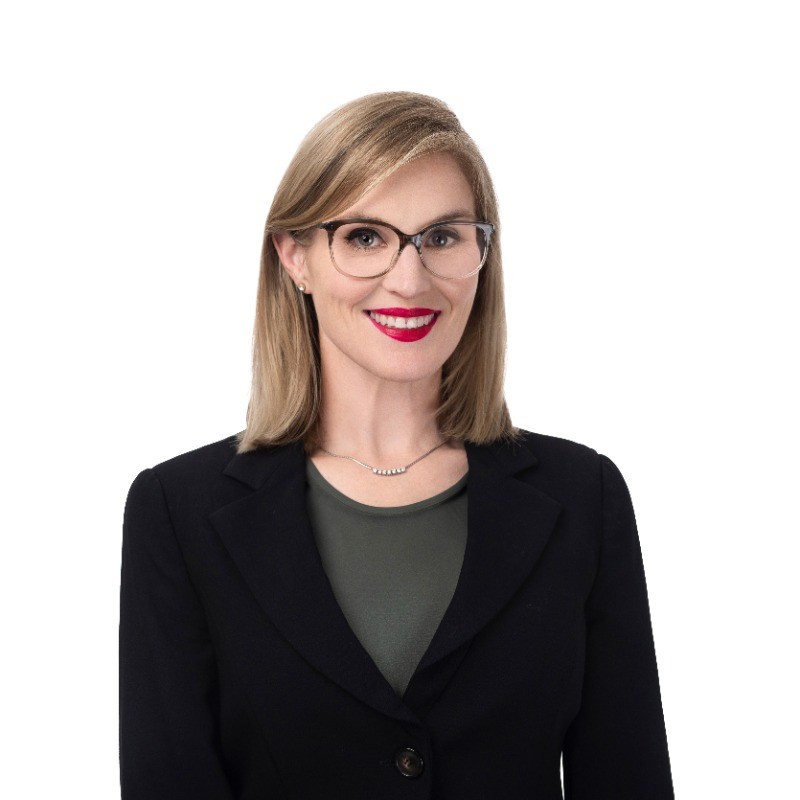
Victoria Rose has spent more than fifteen years managing capital for institutions and for families. She founded a boutique investment manager backed largely by family capital, and grew it to A$2 billion. She then led CapitaLand Investment's A$11 billion Australian asset management platform across listed funds, unlisted funds and the group's balance sheet. Earlier, at 25, she was Director of Sustainability for IHG across Australasia.
She has sat on the family's side of the table as well as the manager's, and is responsible for her own family's property, businesses and investments.
She draws on that experience, in business and in her own life, to work alongside clients in calm periods and in crises. She has steered families, and her own, through bereavement, separation, changes in generational leadership and litigation. She knows the hardest parts of wealth are rarely the numbers, and that they are difficult to carry alone.
Confidential, and at no charge.
Thank you. We will be in touch.
A consulting practice. Confiance does not manage money, hold client assets or provide financial product advice.
Confiance Private Office provides consulting services only. It does not hold an Australian financial services licence and offers no services under one. It does not provide financial product advice, deal in financial products or hold client money.
Information on this site is general only and does not take account of your objectives, financial situation or needs.
Where you need licensed advice, Confiance helps you find and brief an appropriately licensed adviser. You engage them directly.
Fees are paid by the client only. Confiance takes no commissions and no payments from advisers or product providers.
We collect only what an engagement needs, use it only for that engagement and share it only with the advisers you authorise. Enquiries sent through this site are used only to reply to you.
A confidentiality agreement can be signed before any information is shared.
Fourteen tools we use to understand a family, see its wealth clearly, settle who decides what, build each member’s capability, steady the family through its hardest moments and keep every adviser and every dollar of cost in view.
Most families begin with a Health Check or a single stand-alone service. The tools carry across, so when a family moves into the Private Office nothing is redone.
The Wealth Picture on our reporting platform. Everything the family owns, in one place.
A Health Check, Total wealth assessment, Transition, Advocacy, Adviser review or Business and succession.
The Private Office: governance, reporting, advisers and development, run for the family year after year.
The Hartley family is fictional and all figures are illustrative. This material is general information only and is not personal financial, tax or legal advice.
A confidential first meeting. We listen and ask; we do not sell.
Margaret was widowed eight months ago. The family business was sold in 2024, leaving about $82m across eight structures: five companies, a family trust, a unit trust and a super fund. Her private bank wants the portfolio reinvested within 60 days, and she does not know who now holds the family trust’s appointor role.
Widowed eight months ago (Richard). Sole director of all five companies.
Commercial lawyer, married to Priya, one child.
Ceramic artist, irregular income.
Engineering student.
The Confiance Conversation
A 90-minute conversation built around five questions: what the wealth is for, how it is looked after, how giving builds people, what happens if someone can’t act tomorrow, and how the family keeps money from dividing it. It closes with three practical questions: who the advisers are, what is taking the family’s time, and what is worrying them most.
Ninety minutes, in confidence, around five questions.
Who the advisers are, what takes time, what worries most.
A short note of what we heard.
One first step. The family decides.
“What is the wealth for, now that Richard is gone?”
“The bank wants an answer in 60 days.”
“I don’t know who controls the trust now.”
“I don’t want this to come between the children.”
What we heard: pressure to reinvest, and uncertainty over who controls the trust.
Fit: yes. This is a life transition, and stabilising comes first.
Suggested first step: the Transition service, starting with a written pause to the bank.
The Hartley family is fictional and all figures are illustrative. This material is general information only and is not personal financial, tax or legal advice.
Where it’s usedNot used at this stage.
Before any service, and before any fee.
Often the start of a Private Office relationship.
The high-level version of the Total wealth assessment.
Margaret was widowed eight months ago. The family business was sold in 2024, leaving about $82m across eight structures: five companies, a family trust, a unit trust and a super fund. Her private bank wants the portfolio reinvested within 60 days, and she does not know who now holds the family trust’s appointor role.
Widowed eight months ago (Richard). Sole director of all five companies.
Commercial lawyer, married to Priya, one child.
Ceramic artist, irregular income.
Engineering student.
The Private Office Health Check
A two-hour structured review across ten areas, from records and control roles to cyber, family governance and the next generation. Each area is rated green (in place), amber (partly in place, or depends on one person) or red (missing or at risk), with a light Family Balance Sheet alongside. It is the high-level version of the Total wealth assessment, and the work carries across if the family goes further.
A short list of documents and a two-hour meeting.
Ten areas, each with a few direct questions.
Green, amber or red, against evidence.
One page and the three highest risks.
The family trust’s appointor role has no named successor, and the trust sits above a unit trust and two companies.
Margaret’s 2015 will still names Richard as executor.
No Investment Policy Statement, with the bank pressing to reinvest.
The Hartley family is fictional and all figures are illustrative. This material is general information only and is not personal financial, tax or legal advice.
Where it’s usedNot used at this stage.
The high-level version of the Total wealth assessment.
Its findings carry straight into the Private Office.
A family’s wealth is more than its assets. This is the annual scorecard for all of it.
Margaret was widowed eight months ago. The family business was sold in 2024, leaving about $82m across eight structures: five companies, a family trust, a unit trust and a super fund. Her private bank wants the portfolio reinvested within 60 days, and she does not know who now holds the family trust’s appointor role.
Widowed eight months ago (Richard). Sole director of all five companies.
Commercial lawyer, married to Priya, one child.
Ceramic artist, irregular income.
Engineering student.
The Confiance Family Balance Sheet
An annual scorecard across the six capitals that make a family last (Financial, Human, Intellectual, Social, Spiritual / Purpose and Structural). It shows where the family is strong, where it is exposed, and where members quietly disagree.
The member survey and our adviser read. A fast, confidential first look, without a full asset map.
A complete asset and entity map on our reporting platform, the fully scored Balance Sheet and the top three priorities with owners.
Each adult member rates 24 short statements in about 20 minutes. Answers stay confidential to us.
We rate each area against evidence: documents, structures, reports and interviews.
We combine both views and flag any area where members differ by two points or more.
The family agrees its priorities and owners. We track each one to completion.
Secure the control points. Every trust and company role named, with a successor.
A structures briefing for every adult member, then a personal Capability Pathway plan.
A first facilitated family meeting on what the wealth is for.
“I can explain what the family’s wealth is for.”
“Someone other than the principal could step in tomorrow.”
“We can discuss money without it becoming a conflict.”
“It is clear who decides what.”
The Hartley family is fictional and all figures are illustrative. This material is general information only and is not personal financial, tax or legal advice.
Where it’s usedThe asset and entity map that feeds the full Balance Sheet.
High-level version in the Health Check; full version in the Total wealth assessment.
Refreshed every year at the Family Assembly.
One picture of who controls what, and where that control goes next.
Margaret was widowed eight months ago. The family business was sold in 2024, leaving about $82m across eight structures: five companies, a family trust, a unit trust and a super fund. Her private bank wants the portfolio reinvested within 60 days, and she does not know who now holds the family trust’s appointor role.
Widowed eight months ago (Richard). Sole director of all five companies.
Commercial lawyer, married to Priya, one child.
Ceramic artist, irregular income.
Engineering student.
The Hundred-Year Map
A single map of every person, entity, control role and asset in the family, and what happens to each role on death, incapacity or separation. We build it from the family’s own deeds, constitutions and wills in the first 60 days, then test it against real scenarios.
Interviews, deeds, constitutions, ASIC extracts, wills and powers of attorney.
People, entities, control roles and assets, linked on our reporting platform.
Run each scenario: a death, a loss of capacity, a separation.
The family decides each fix. We brief the lawyer and accountant and see it signed.
Before the Map, the family thought of its wealth as “about $82m”. The Map showed eight structures – five companies, two trusts and a super fund – with every control role resting on one person.
Her 2015 will names Richard as executor, so no one is named to administer her estate or take over the control roles.
Fix: successor appointor, new willNo one can act for any of the five companies, or sign for the property company’s lease.
Fix: second directors, enduring power of attorneyPast distributions, and his interest through the family trust, may come into the property pool.
Fix: distribution records, Charter clauseNo policy exists, so the trustee decides ad hoc.
Fix: hardship clause in the CharterThe Hartley family is fictional and all figures are illustrative. This material is general information only and is not personal financial, tax or legal advice.
Where it’s usedEntities and assets consolidated on our reporting platform.
Built in the first 60 days as the entity map.
Kept current and re-checked at every annual Balance Sheet.
The family’s own rulebook, written in its own words.
Margaret was widowed eight months ago. The family business was sold in 2024, leaving about $82m across eight structures: five companies, a family trust, a unit trust and a super fund. Her private bank wants the portfolio reinvested within 60 days, and she does not know who now holds the family trust’s appointor role.
Widowed eight months ago (Richard). Sole director of all five companies.
Commercial lawyer, married to Priya, one child.
Ceramic artist, irregular income.
Engineering student.
The Family Charter
A plain-language agreement on who belongs, who decides what and how money reaches members. The family writes it and makes every decision in it. We facilitate the conversations, draft from the family’s decisions and stress-test the result. Then the family’s lawyers bring the trust deeds, constitutions and wills into line, and we follow that work through.
Individual conversations with each adult member.
Family workshops, section by section.
We write up the family’s decisions in plain English.
We run the draft against real scenarios from the Map.
Signed by each adult; the lawyers update the documents.
A statement of intent that the legal documents are brought into line with.
“Our wealth exists to give every Hartley the education, security and independence to build a life of their own choosing.”
Independence first. Fair, not identical. No surprises.
Who is family, including spouses and partners.
An annual Assembly and a quarterly Council.
Who decides what, and by what threshold.
Education, living support, milestones, ventures, hardship.
Three years outside before a family role.
The portfolio tied to the mission.
Four agreed steps before any legal action.
Revisited every year at the Assembly.
| Decision | Who decides | Threshold |
|---|---|---|
| Appointors, trustee directors, executors | Family Council | Unanimous |
| Investment Policy Statement | Family Council, informed by our analysis | Majority |
| Sale of the beach house | Family Assembly | 75% |
As chief of staff, we prepare the papers for each forum, record decisions and track actions to completion. We do not vote.
The Hartley family is fictional and all figures are illustrative. This material is general information only and is not personal financial, tax or legal advice.
Where it’s usedNot used at this stage.
Gaps found here feed the Charter later.
Built with the family, then reviewed every year.
The family sets the purpose. The adviser sets the portfolio. We hold them to it.
Margaret was widowed eight months ago. The family business was sold in 2024, leaving about $82m across eight structures: five companies, a family trust, a unit trust and a super fund. Her private bank wants the portfolio reinvested within 60 days, and she does not know who now holds the family trust’s appointor role.
Widowed eight months ago (Richard). Sole director of all five companies.
Commercial lawyer, married to Priya, one child.
Ceramic artist, irregular income.
Engineering student.
The Investment Policy Statement
A written statement that links the portfolio to what the wealth is for. The family sets its objectives, liquidity needs and limits. The licensed investment adviser sets the asset allocation and selects products. We report against the Statement on our reporting platform and hold the bank or adviser to the mandate on the family’s behalf.
The family agrees what the portfolio is for.
Liquidity, risk and any exclusions.
The adviser recommends; the family appoints.
Quarterly reporting against the Statement.
| Item | Set by | Hartley position |
|---|---|---|
| Objective | Family | Preserve real value after distributions, across generations |
| Return objective | Family, with adviser input | CPI + 3.5% a year after fees, over rolling seven years |
| Liquidity | Family | Two years of distributions plus known commitments, held outside the warehouse |
| Limits | Family | No single holding above 10%; illiquid assets capped at 25% |
| Allocation and products | Licensed adviser | Per the adviser’s recommendation |
| Oversight | Confiance, on our reporting platform | Quarterly to the Family Council |
Objective, return target, liquidity, constraints.
Under a mandate tied to the Statement.
Quarterly reporting, and the adviser held to the mandate.
The $14m warehouse is outside the portfolio mandate but is counted in the concentration limit.
The Hartley family is fictional and all figures are illustrative. This material is general information only and is not personal financial, tax or legal advice.
Where it’s usedHoldings reported against the Statement on our reporting platform.
Agreed before any reinvestment; the brief for any adviser search.
Adviser oversight, summarised in the Family Charter.
Every member ready for the role they will one day hold.
Margaret was widowed eight months ago. The family business was sold in 2024, leaving about $82m across eight structures: five companies, a family trust, a unit trust and a super fund. Her private bank wants the portfolio reinvested within 60 days, and she does not know who now holds the family trust’s appointor role.
Widowed eight months ago (Richard). Sole director of all five companies.
Commercial lawyer, married to Priya, one child.
Ceramic artist, irregular income.
Engineering student.
The Confiance Capability Pathway
A personal development plan for every family member, at any age, run in 90-day cycles. Members choose their own priorities from a competency matrix for their life stage. We build the plan with them, line up the right support and review progress at the end of each cycle.
Each member rates themselves from “not yet” to “can teach”.
The member picks one to three priorities.
Actions, support and evidence for day 90.
Score again, then set the next cycle.
By day 90 he can explain the trust to his mother in his own words.
By day 90 she sets the agenda for her own bank review.
The Hartley family is fictional and all figures are illustrative. This material is general information only and is not personal financial, tax or legal advice.
Where it’s usedNot used at this stage.
A Balance Sheet priority often points here.
The core of our intellectual capital work.
Stabilise before strategising.
Margaret was widowed eight months ago. The family business was sold in 2024, leaving about $82m across eight structures: five companies, a family trust, a unit trust and a super fund. Her private bank wants the portfolio reinvested within 60 days, and she does not know who now holds the family trust’s appointor role.
Widowed eight months ago (Richard). Sole director of all five companies.
Commercial lawyer, married to Priya, one child.
Ceramic artist, irregular income.
Engineering student.
The Confiance Transition Protocol
A staged process for the highest-risk moments in a life: separation, widowhood, inheritance, a business sale or a first appointment as trustee. No irreversible decision is made before day 90 unless the law requires it. The client makes every decision. We hold the timetable, brief the specialists and keep pressure from other parties at bay.
Liquidity, control, a full inventory, a pause on pressure.
The Map, an adviser review, cash flow and an options paper.
Investment policy first; then decisions in the agreed order.
Into the Private Office, if the client chooses.
On Margaret’s instruction, we write to the bank to pause; the $38m stays in cash.
Full inventory of all eight structures on our reporting platform; 12 months’ liquidity confirmed.
Options paper reviewed. She understands her position and the order of decisions.
Investment policy agreed, successor appointor and estate documents signed.
The Hartley family is fictional and all figures are illustrative. This material is general information only and is not personal financial, tax or legal advice.
Where it’s usedThe day-30 inventory is loaded onto our reporting platform.
The process behind the Transition service, and wherever a life event is the trigger.
Phase 4 leads into the Private Office, if the client chooses.
One page that says exactly who does what.
Margaret was widowed eight months ago. The family business was sold in 2024, leaving about $82m across eight structures: five companies, a family trust, a unit trust and a super fund. Her private bank wants the portfolio reinvested within 60 days, and she does not know who now holds the family trust’s appointor role.
Widowed eight months ago (Richard). Sole director of all five companies.
Commercial lawyer, married to Priya, one child.
Ceramic artist, irregular income.
Engineering student.
The Private Office authority matrix
A short written agreement, signed when a Private Office is set up and widened only when the family decides. It makes the chief-of-staff role concrete: we collect, reconcile, prepare and remind; the family approves, instructs and decides. We never make payments or transfers, and we do not recommend products.
Every activity the office will touch.
Our role and the family’s, line by line.
The family and Confiance sign and date it.
Widened only when the family decides.
| Activity | Confiance | Margaret |
|---|---|---|
| Collect statements and documents | Does (read-only access) | Provides access |
| Reconcile and report | Does, monthly | Reviews |
| Prepare payment instructions | Prepares | Approves and executes |
| Make payments or transfers | Never | Does |
| Investment decisions | Prepares questions and briefs | Decides, with her licensed adviser |
| Compliance calendar | Runs and reminds | Signs, or instructs the accountant |
Every payment instruction is verified by phone before Margaret executes it.
The Hartley family is fictional and all figures are illustrative. This material is general information only and is not personal financial, tax or legal advice.
Where it’s usedNot used at this stage.
Not used at this stage.
Signed at set-up; reviewed whenever the office’s role changes.
Family, owners and the business: everyone placed where they stand.
Margaret was widowed eight months ago. The family business was sold in 2024, leaving about $82m across eight structures: five companies, a family trust, a unit trust and a super fund. Her private bank wants the portfolio reinvested within 60 days, and she does not know who now holds the family trust’s appointor role.
Widowed eight months ago (Richard). Sole director of all five companies.
Commercial lawyer, married to Priya, one child.
Ceramic artist, irregular income.
Engineering student.
The Three-circle map
A simple map for business-owning families. Everyone connected to the business is placed by three questions: are they family, do they own part of it, and do they work in it. The overlaps show who holds several roles, where roles blur and where conflict or silence is most likely.
Family, owners, staff, directors and key advisers.
Family? Owner? Works in it? One circle, an overlap or the centre.
Multiple roles, gaps and likely friction.
Who needs which conversation, and where.
Richard and Margaret were family, owners and managers at once.
The children had no view into the business they stood to inherit.
The minority investor and the family had no shared forum.
A family council and an owners’ meeting
The Hartley family is fictional and all figures are illustrative. This material is general information only and is not personal financial, tax or legal advice.
Where it’s usedNot used at this stage.
For any family that owns a business.
The forums it points to are run by the office, if the family chooses.
Control passes when the family is ready, not before.
Margaret was widowed eight months ago. The family business was sold in 2024, leaving about $82m across eight structures: five companies, a family trust, a unit trust and a super fund. Her private bank wants the portfolio reinvested within 60 days, and she does not know who now holds the family trust’s appointor role.
Widowed eight months ago (Richard). Sole director of all five companies.
Commercial lawyer, married to Priya, one child.
Ceramic artist, irregular income.
Engineering student.
The FREEDOM check
A readiness check before a founder hands over a family business. Seven areas are rated green, amber or red, with evidence and actions: Financial security, Refocus of life plan, Electing a successor, Education and support, Disasters and unplanned events, Objectives alignment and Managing communication. Control does not pass while any area is red. (Framework: Grant Thornton Australia.)
Seven areas, each with one key question.
Models, plans, agreements and meetings.
Green, amber or red.
Nothing passes while any area is red.
Looking back, the red areas show why selling in 2024 suited the family better than a handover.
The Hartley family is fictional and all figures are illustrative. This material is general information only and is not personal financial, tax or legal advice.
Where it’s usedNot used at this stage.
Before any founder hands over control.
Re-run each year while a handover is under way.
A fair, documented test of every adviser the family relies on.
Margaret was widowed eight months ago. The family business was sold in 2024, leaving about $82m across eight structures: five companies, a family trust, a unit trust and a super fund. Her private bank wants the portfolio reinvested within 60 days, and she does not know who now holds the family trust’s appointor role.
Widowed eight months ago (Richard). Sole director of all five companies.
Commercial lawyer, married to Priya, one child.
Ceramic artist, irregular income.
Engineering student.
Adviser review and search
Each adviser is rated from 1 to 5 on six criteria: all-in cost, performance against the Investment Policy Statement, service, reporting, continuity of the people serving the family, and conflicts. Where a search is needed, we run a structured request for proposal. A replacement is suggested only at the family’s request or for a documented reason; the family decides who stays.
Costs, reports, mandates and service history.
Six criteria, from 1 to 5.
Findings taken to the family first.
A request for proposal, if the family asks.
Private bank: discuss. Costs above benchmark and no mandate yet.
Accountant: keep. Deep knowledge of the structures.
Lawyer: discuss. An estate specialist is needed alongside.
Property manager: keep. A named owner is needed for the warehouse lease review.
The Hartley family is fictional and all figures are illustrative. This material is general information only and is not personal financial, tax or legal advice.
Where it’s usedNot used at this stage.
Tender, benchmark and negotiate fees.
An annual review of every adviser.
The full financial picture a lawyer needs, ready when it matters.
Margaret was widowed eight months ago. The family business was sold in 2024, leaving about $82m across eight structures: five companies, a family trust, a unit trust and a super fund. Her private bank wants the portfolio reinvested within 60 days, and she does not know who now holds the family trust’s appointor role.
Widowed eight months ago (Richard). Sole director of all five companies.
Commercial lawyer, married to Priya, one child.
Ceramic artist, irregular income.
Engineering student.
The BFA disclosure schedule
The financial picture behind a binding financial agreement, drawn from our reporting platform and given to the client’s lawyer. It sets out personal and joint assets, trusts and the party’s roles in them, companies, super, liabilities, income, expected inheritances and valuations, each with its source. The lawyer advises on the agreement itself; we make sure the picture is complete and current.
The picture comes from the reporting platform.
Gaps filled from deeds, statements and valuations.
Each figure tied to a dated source.
To the lawyer, who advises on the agreement.
Roles and five years of distributions
Last three years
The Hundred-Year Map showed James’s interest through the family trust, including the unit trust and the property company, could come into a property pool.
The family’s lawyer advised before the Family Bank lent James money towards a first home.
The Hartley family is fictional and all figures are illustrative. This material is general information only and is not personal financial, tax or legal advice.
Where it’s usedThe schedule is drawn from the reporting platform.
Where separation or a new relationship is the trigger.
Kept ready, and refreshed before any large gift.
Everything the family pays, across every provider, in one place.
Margaret was widowed eight months ago. The family business was sold in 2024, leaving about $82m across eight structures: five companies, a family trust, a unit trust and a super fund. Her private bank wants the portfolio reinvested within 60 days, and she does not know who now holds the family trust’s appointor role.
Widowed eight months ago (Richard). Sole director of all five companies.
Commercial lawyer, married to Priya, one child.
Ceramic artist, irregular income.
Engineering student.
The Total Cost of Wealth report
An annual report of everything the family pays to have its wealth managed: advice, platform, fund management, performance, transaction, cash and FX costs, row by row and provider by provider. The reporting platform does not capture fees, so we build it from statements, disclosure documents and invoices. We measure, compare and ask; we do not recommend switching to a particular product.
Statements, disclosure documents and invoices.
One row per fee, per provider.
Total cost, share of wealth, change on last year.
Questions put to each adviser.
Share of total annual cost, illustrative. The cash margin was a cost the family had not known it was paying.
The Hartley family is fictional and all figures are illustrative. This material is general information only and is not personal financial, tax or legal advice.
Where it’s usedBuilt once a year for every retainer.
The cost flag and the benchmark.
Every year, alongside the adviser review.